

Generation Patient Primary Staff

Sneha Dave
Founder & Executive Director
Sneha is the founder and executive director of Generation Patient, an organization representing over 25 million young adults in the U.S. and abroad with chronic conditions. Under her leadership, Generation Patient has led over 650 peer support meetings and is building the evidence base for peer support intervention models for young adults with chronic conditions. At the systemic level, she leads Generation Patient's research and policy reform, focusing on patent reform, disaggregating age data in clinical trials, and increasing oversight of pharmaceutical advertisements on social media. Sneha has spoken at venues such as Davos, the U.S. Department of Justice, Capitol Hill, the White House, and Aspen Ideas. Sneha has authored over 18 peer-reviewed publications centered on young adults with chronic conditions.
She is also an appointed member of the National Academies of Medicine Forum on Drug Discovery, Development, and Translation, serves on the patient editorial panel for the British Medical Journal, on a grantmaking committee with the Robert Wood Johnson Foundation, and as part of the advisory board for the Yale Collaboration for Regulatory Rigor, Integrity, and Transparency.
Sneha is proud to lead a committed team to ensure young adult patients are at the center of healthcare reform.
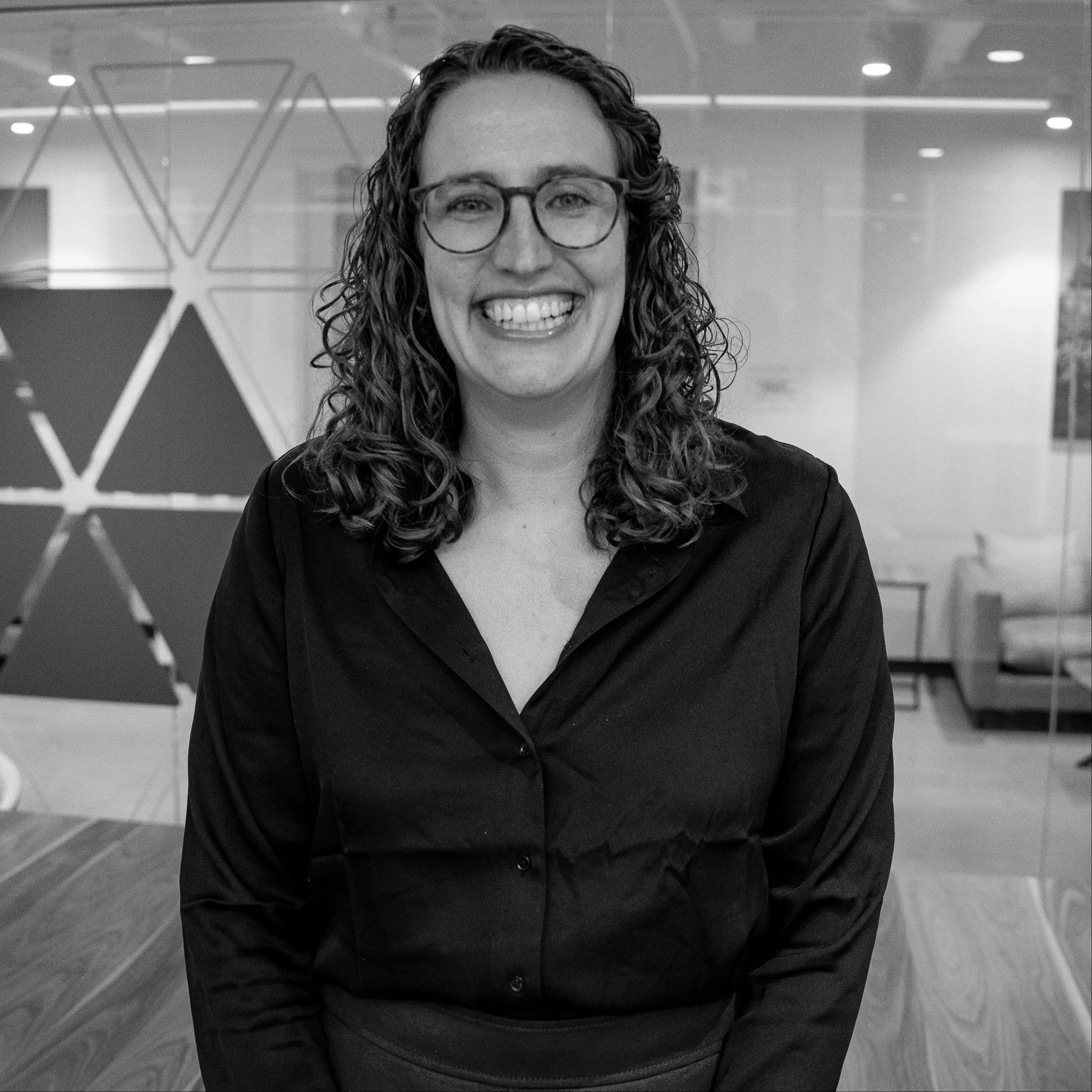
Lucy Westerfield
Managing Director
Lucy is the Managing Director at Generation Patient. Lucy is the Principal of Westerfield Strategies where she works with organizations and campaigns to provide pragmatic, policy-forward strategy and internal systems, staffing, and operations support.
Lucy believes deeply in the importance of patient-voices and advocates in the fight for fair, accessible, and quality healthcare. She helped to build Patients For Affordable Drugs — developing the legislative portfolio informed by patient advocates as Legislative Director before leading campaign strategy and organizational management as Deputy Executive Director.
Lucy has worked across a wide range of policy and political issue areas. She has a proven record of leading multimillion-dollar campaigns to pass meaningful legislation at the federal and state levels, including the historic drug price reforms in the Inflation Reduction Act.

Luis Gil Abinader
Policy Director
Luis Gil Abinader is the Policy Director at Generation Patient. A lawyer and researcher, Luis has more than a decade of experience advocating for policy reforms in healthcare and technology.
Prior to Generation Patient, Gil Abinader was a fellow at the Georgetown University O'Neill Institute's Global Health Policy and Politics Initiative and a senior researcher at Knowledge Ecology International (KEI), where he supported global campaigns for affordable access to medicines. He has also served as a fellow with the Interdisciplinary Centre of Studies in Science, Technology and Innovation (CIECTI) and as an adjunct professor at the Universidad Nacional General Sarmiento (UNGS) in Argentina. Gil Abinader has consulted for several national governments and international organizations, including the World Health Organization, and has served on the Board of Universities Allied for Essential Medicines (UAEM) and the Expert Advisory Group of the Medicines Patent Pool (MPP).
Gil Abinader holds an LL.M. in Global Health Law from Georgetown University Law Center, a master's in intellectual property from FLACSO Argentina, and a law degree from the Pontificia Universidad Católica Madre y Maestra (PUCMM) in the Dominican Republic.
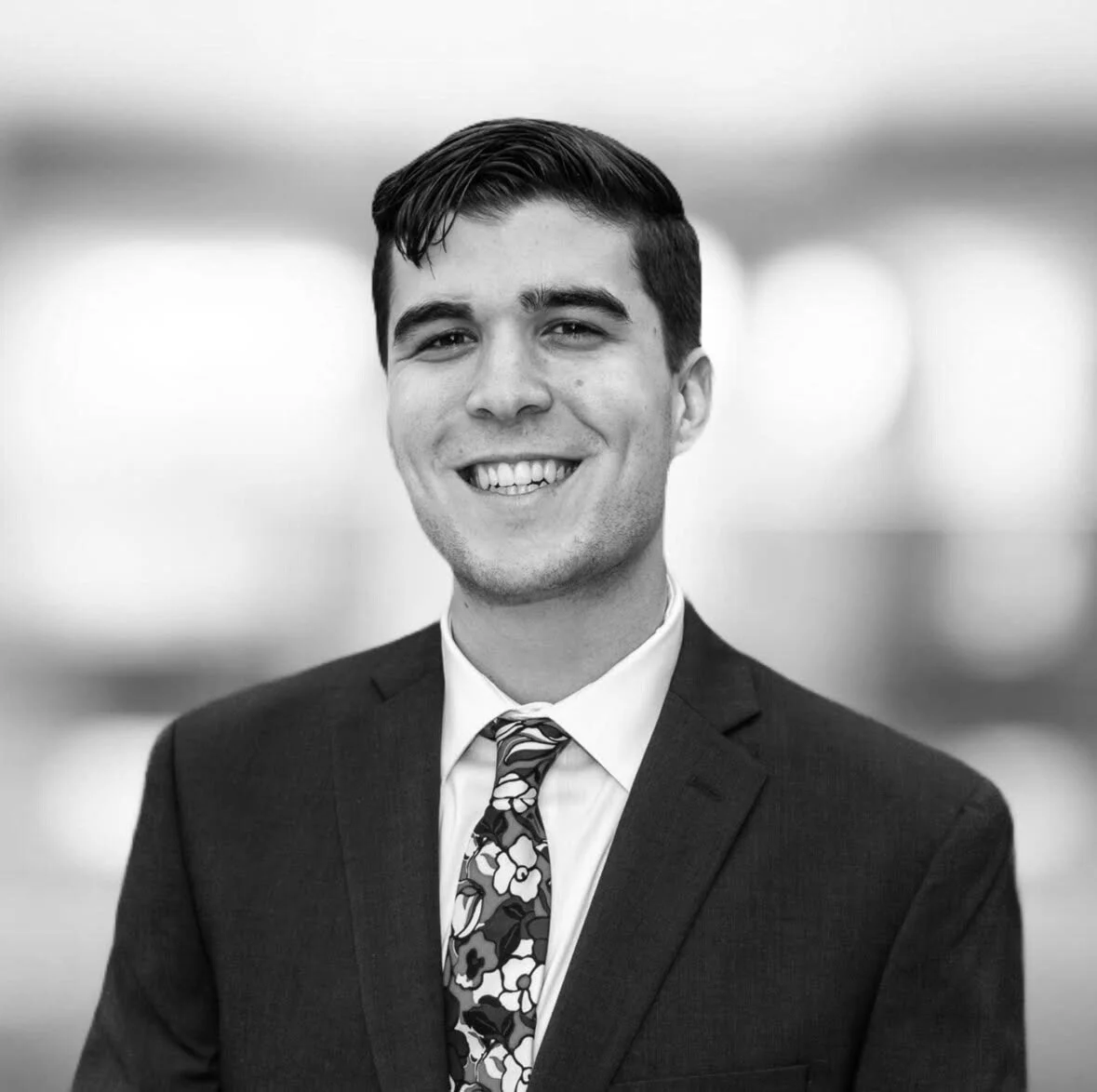
Alexander Naum, JD
Policy Manager
Alexander Naum has focused his education and career on helping to create a more equitable and just healthcare system. Originally from South Florida, Alexander was diagnosed with Tuberous Sclerosis in his adolescence. Alexander’s lived experience of having a rare genetic disorder motivated him to study Public Health at the University of South Florida and later obtain his Juris Doctor at American University Washington College of Law, with a focus on health law and policy.
Alexander has experience working in a variety of health advocacy roles. While living in Florida, Alexander participated in grassroots organizing and Florida Medicaid expansion initiatives. After moving to DC, Alexander worked with the Centers for Medicare and Medicaid Services Office of Program Operations and Local Engagement during the COVID-19 Public Health Emergency. Alexander also worked with the Asbestos Disease Awareness Organization to advocate for Federal policy to eliminate the risk of asbestos exposure in our workplaces and communities. Finally, while working with Liles Parker PLLC, Alexander supported healthcare whistleblowers in pursuing cases against their organizations who were actively defrauding our public healthcare programs.
In addition to Alexander’s educational background and experience, Alexander has also extensively written on a variety of healthcare topics. These written works include publishing an article that reviewed the anticompetitive practices occurring in the pharmaceutical industry and proposed policy reform to increase access to life-saving medication.
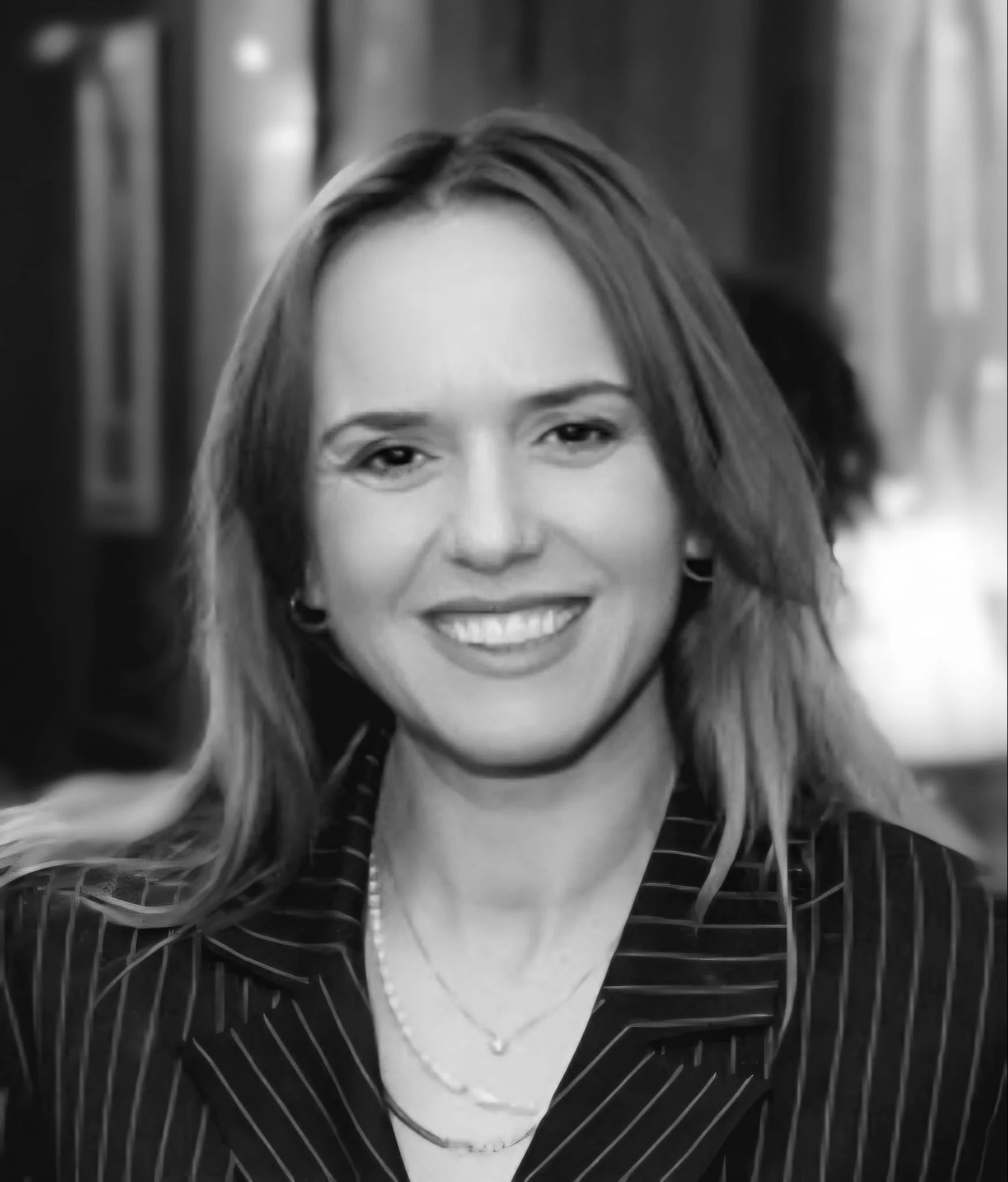
Gonxhe Simonson
Director of Operations, HR & Development
Gonxhe (Gone-jeh) Simonson is a program and operations leader with over a decade of experience turning mission driven ideas into well run, impactful programs. Her work focuses on improving access for underserved communities, with a strong emphasis on education, health equity, and economic development. She brings a practical approach to building clear processes, managing budgets, and coordinating across teams and partners to deliver strong program outcomes. She holds a Master’s degree in Human Rights from the University of Minnesota and is a Fulbright alum. Gonxhe has led large-scale emergency response and refugee resettlement efforts and is driven by creating practical, accountable systems that support teams and communities and deliver real impact.
Generation Patient Part-Time Staff
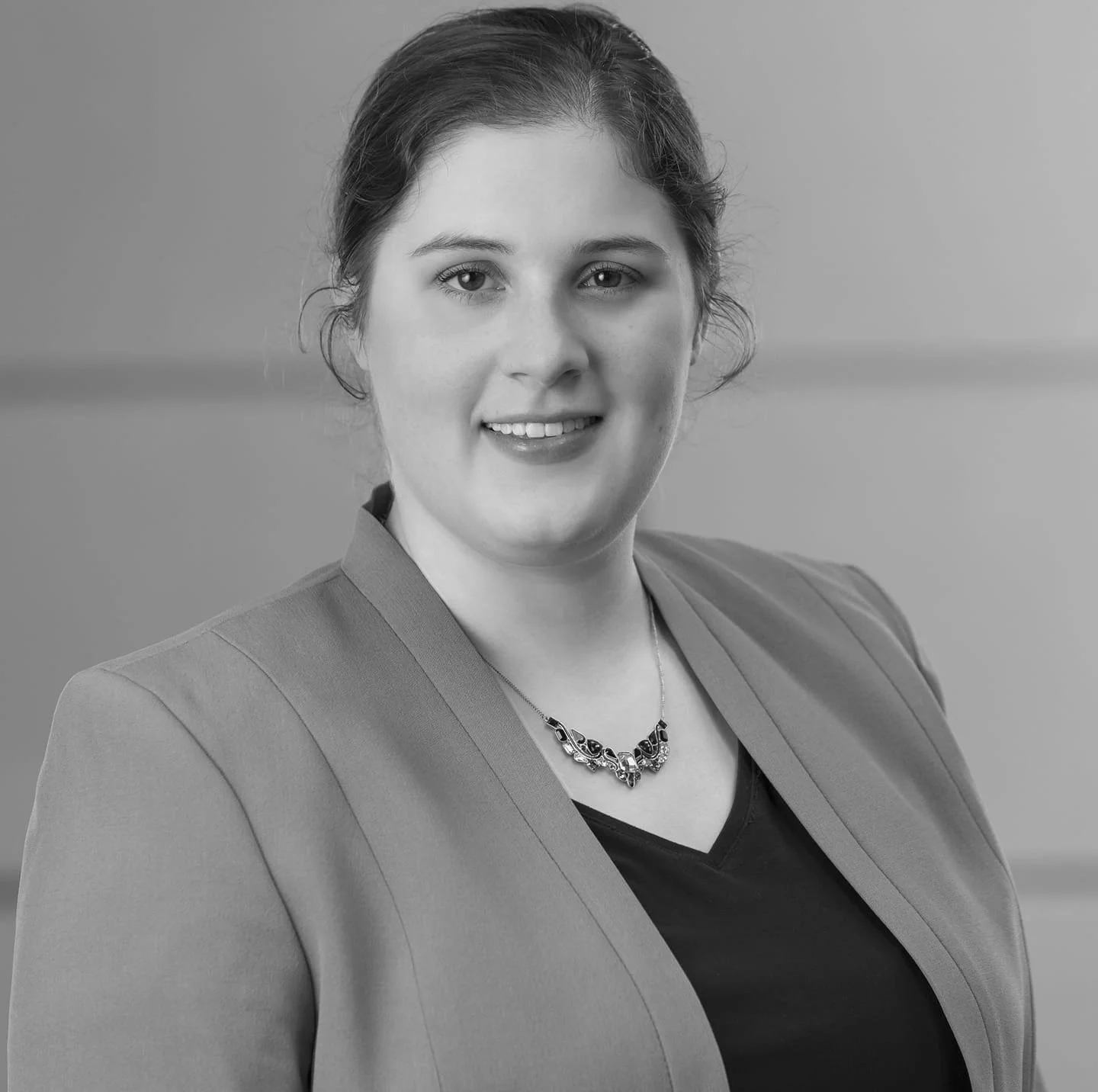
Sarah Blahovec
Consultant Coordinator
Sarah Blahovec (she/her) is a chronically ill disability advocate and founder of Landmark Virtual Assistance, which provides remote administrative and communications support to mission-driven organizations, businesses, and individuals. She is also a disability civic engagement subject matter expert who has spent the past decade working to address the barriers to voting and running for office for the 1 in 4 Americans who have a disability. As a policy and advocacy expert, Sarah has worked with organizations in disability rights, civil rights, and progressive spaces to protect voting access, educate election officials, break down barriers to civic engagement, and encourage civic participation.

Adam Johnson
Monitoring, Evaluation, and Learning Consultant
Adam Johnson is the CEO and founder of Pando Advisory, where he helps organizations redesign systems to drive measurable outcomes. In his previous role as Chief of Staff at Cicero Group, he worked across foundations, nonprofits, and government, and stood up the firm's homelessness practice. He is the founder of two nonprofits, and a Truman Scholar and Knight-Hennessy Scholar.
Education: BA, Brigham Young University | MPP, Stanford School of Humanities | MBA, Stanford Graduate School of Business
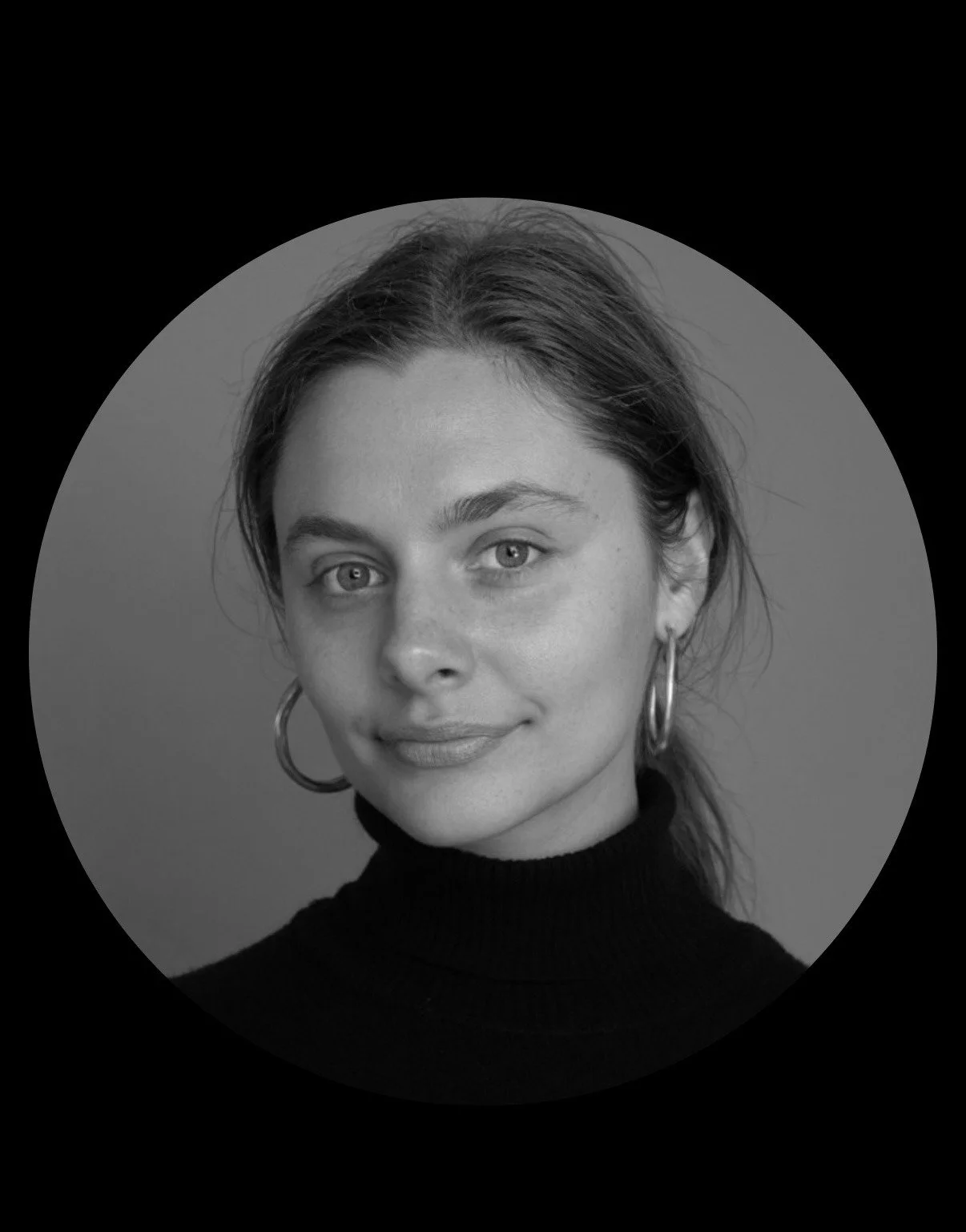
Hannah Yore
Peer Support Program Advisor
Hannah Yore is a global health strategist and palliative care doula. She currently serves as Director of Uterine Cancer at SHARE Cancer Support and leads an independent consulting practice centered on patient advocacy, serious illness, aging and grief support.
Hannah brings a decade of experience designing and overseeing public health programs and partnerships for medically underserved populations across disease areas. She previously served as the inaugural Director of International Programs at SAGE, spearheading the organization’s first global expansion across six continents to support LGBTQI+ older adults in low- and middle-income countries. She has also managed public health programs at AVAC, Columbia University, and the National Development and Research Institutes.
Hannah’s work is informed by her personal experience navigating the healthcare system as a lesbian patient living with Hypermobile Ehlers-Danlos Syndrome and related comorbidities. She has contributed thought leadership and subject matter expertise through engagements with the United Nations, the International Federation on Aging, and the World Health Organization.
We would like to thank the following people for their leadership contributions to Generation Patient.